
New Research Links Ancient Tooth Grooves to Habitual Betel Nut Use
New research on ancient human remains suggests habitual betel nut usage may be responsible for strange grooves found in teeth, a practice popular in parts of Asia.
 Baltimore, MD, September 19, 2026 —
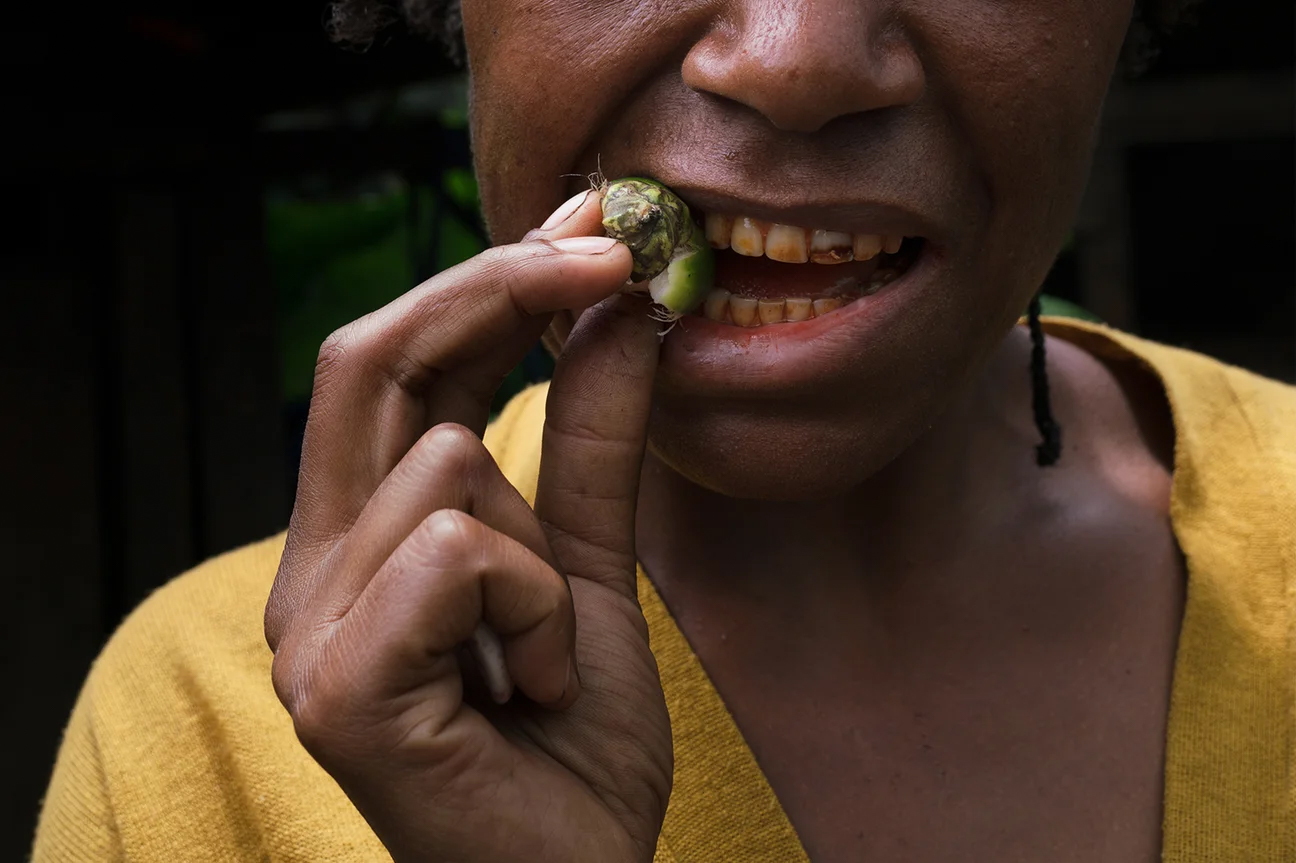
New research has brought to light a potential explanation for unusual grooves observed on the teeth of ancient human remains. The study suggests that a long-standing practice of habitual betel nut usage, which remains popular in various parts of Asia, may be the cause of these distinct dental markings.
The investigation focused on ancient human skeletal remains, where researchers identified peculiar grooves etched into the teeth. While the exact nature and prevalence of these grooves are detailed in the research, the findings point towards betel nut consumption as the likely culprit. Betel nut, a stimulant derived from the areca palm, is commonly chewed, often mixed with slaked lime and other spices. This practice can lead to significant wear and abrasion on the teeth over time.
The contractor’s name and the specific institutions involved in this research were not provided in the summary. Similarly, the geographic locations from which the ancient human remains were sourced, and the specific time periods they represent, are not detailed. The extent to which betel nut usage is considered ‘habitual’ by the researchers and how this habit manifests in dental wear patterns are key aspects of the study.
The practice of chewing betel nut has a history dating back thousands of years and is deeply embedded in the cultural practices of many Asian societies. Its potential impact on oral health, including tooth wear and staining, has been a subject of interest. This latest research adds a specific forensic dimension, linking the physical evidence on ancient teeth directly to this cultural habit.
Further details regarding the methodology of the research, the specific types of grooves observed, and whether alternative theories for the grooves were considered and dismissed are not available in the provided summary. The summary does not include information on what, if any, further research is planned or what the implications of these findings might be for understanding ancient populations and their practices.
Story summarized from the original created by Pien Huang on www.npr.org, see more information here.
Media gallery
